
 All Blogs
 People who can see their own energy use tend to use less ,typically 5–15% less.
What is Submetering? A Complete Guide to Utility Submeters, Types, and Benefits
Submetering is the practice of installing individual meters to measure utility consumption, such as electricity, water, gas, or thermal energy, at the level of individual tenants, units, departments, or equipment within a larger property. Unlike a master meter that records total building consumption, submeters allocate usage and costs accurately to each end-user, enabling fair billing, granular energy auditing, and measurable efficiency gains.
This guide covers what submetering is, how it differs from master metering, how it works, the main types, benefits, costs, regulatory considerations, and how to implement it effectively in residential, commercial, and industrial settings.
What is submetering?
Submetering measures utility use in more detail than a single master meter from the utility company. Submeters are installed after the master meter, at each tenant unit, department, floor, or piece of equipment, so each area’s usage is tracked on its own.
This level of detail helps in three main ways: it allows fair utility billing for users who share a supply, helps spot energy waste in specific areas or equipment, and supports meeting rules or sustainability goals that require detailed tracking of energy use.
Key characteristics of a submetering system
- Granularity: Individual readings per unit, tenant, system, or load, instead of one reading for the whole property.
- Multi-utility capability: Applies to electricity, water, gas, steam, thermal energy, and HVAC.
- Communication options: Wired (RS-485, Modbus), wireless (Wi-Fi, LoRaWAN, Zigbee), or cellular. Cloud connectivity can also be added for remote monitoring.
- Accuracy class: Quality submeters typically conform to Class 1.0 (IEC 62053-21) or better for electrical metering; water and gas submeters follow their own standards (e.g., ISO 4064 for water).
Submetering vs. master metering vs. flat-rate billing
The simplest way to understand submetering is to compare it against the two alternatives most commonly used in multi-tenant or multi-load properties: master metering and flat-rate billing. The table below summarises the practical differences.
| Feature | Master Metering | Submetering | Flat-Rate Billing |
|---|---|---|---|
| Number of meters | One (whole property) | Multiple (per unit, system, or load) | None — fixed charge |
| Billing accuracy | Low — total cost is split evenly or by formula | High — based on actual measured usage | Very low — same charge regardless of usage |
| Transparency | Minimal — no per-user visibility | Full — each user can see their own consumption | None |
| Cost fairness | Often disputed by low-usage tenants | Equitable — pay only for what you use | Inequitable — heavy users subsidised by light users |
| Energy management value | Limited — only total trends visible | High — granular insights enable targeted action | None |
| Behaviour incentive | Weak — no individual feedback loop | Strong — users see and act on their own usage | None |
| Best suited for | Single-tenant or single-purpose buildings | Multi-tenant residential, commercial, and industrial facilities | Legacy or low-cost setups where measurement is impractical |
Of the three billing methods, only submetering matches costs to actual use. This accuracy makes fair billing and energy management possible, which are the main reasons facilities choose it.
How does submetering work?
A submetering system works by installing separate meters after the main utility meter at each point you want to measure. These meters collect usage data and send it to a central system for billing, reports, or analysis. The process has three steps: installation, data collection, and reporting.
- Installation and meter selection
Submeters are placed at strategic measurement points: each apartment in a residential complex, each tenant suite in an office block, each production line or HVAC unit in an industrial plant. The choice of meter depends on the application:
Electromechanical meters: Older technology, accurate but limited to manual reading. Still used in legacy installations.
Static (electronic) meters: Solid-state, more accurate, often with a digital display and pulse output for automated reading.
Smart / IoT meters: Electronic meters with built-in communication (Wi-Fi, LoRaWAN, RS-485, cellular) for remote data transfer, real-time monitoring, and integration with cloud platforms. - Data collection
Data from submeters reaches the building or facility manager through one of three methods:
Manual reading: A technician reads each meter on a periodic schedule. Low capital cost, high labour cost, and prone to error.
Automated meter reading (AMR): Drive-by or walk-by collection using short-range radio. Reduces labour but is still periodic.
Advanced metering infrastructure (AMI) / IoT: Continuous, near real-time data transmission over wired or wireless networks to a cloud or on-premise platform. Enables real-time alerts, automated billing, and integration with building management systems. - Reporting, billing, and integration
Once collected, the data is processed for utility cost allocation, consumption reporting, and energy management. Modern submetering platforms feed data into Energy Management Systems (EMS) or Building Management Systems (BMS), where it can trigger automated responses such as load shedding, HVAC optimisation, or anomaly alerts when consumption deviates from expected patterns.
Different types of submetering
Submetering is not just one product. It covers several different setups, depending on what you need to measure and your goals.
Tenant or unit submetering
Each unit or tenant has its own meter. This is common in apartments, condos, office buildings, malls, and co-working spaces. Each tenant gets a bill based on their own usage.
Equipment, panel, or load submetering
Meters can also track specific systems instead of spaces. For example, you can meter HVAC chillers, lighting circuits, production lines, pumps, or server rooms. This setup is standard in industrial energy management and for detailed analysis.
Utility-type submetering
You can use submetering for any utility you can measure, such as electricity, water (including hot, cold, and wastewater), natural gas, steam, thermal energy, and even on-site generation like rooftop solar.
Smart / IoT-enabled submetering
Some submeters have built-in connections to send data directly to the cloud. This allows for remote reading, real-time alerts, tamper detection, predictive maintenance, and easy integration with building or energy management systems and analytics tools.
Why implement submetering? Key use cases
Submetering makes sense when several users, departments, or pieces of equipment share the same utility supply, or when improving energy efficiency is important. Here are the most common situations:
- Multi-tenant residential properties: Apartment complexes, condominiums, and gated communities where landlords need to bill tenants fairly for individual consumption.
- Commercial complexes: Office buildings, malls, retail outlets, and co-working spaces with multiple tenants sharing common utility infrastructure.
- Industrial facilities: Factories and production plants where energy consumption needs to be tracked per production line or major equipment for cost accounting and process optimisation.
- Campuses and institutional buildings: Universities, schools, hospitals, and hotels, where it’s important to see energy use by building, department, or wing.
- Sustainability and ESG reporting: Organisations with carbon-reduction targets or green-building certifications (LEED, IGBC, BREEAM) need granular energy data to baseline, report, and improve.
- Regulatory compliance: Many jurisdictions now mandate energy disclosure for large buildings, and submetering is the most practical way to meet these requirements.
Benefits of submetering
Submetering offers five main benefits, starting with fair billing and building up to full energy management at the highest level.
- Fair and transparent billing
Each tenant or department pays only for what they actually consume. This eliminates disputes over shared utility costs and removes the cross-subsidy where light users effectively pay for heavy users under flat-rate or ratio billing.
- Energy and resource efficiency
Detailed tracking helps spot where energy is wasted. When a facility manager knows which floor, system, or machine uses the most energy, they can focus upgrades, schedule changes, or behavior changes where they matter most.
- Operational insights and load analysis
Industrial and commercial users get a clear view of how, when, and where energy is used. This information helps manage demand charges, cut peak loads, and spot problems early for maintenance.
- Behavioural impact
People who can see their own energy use tend to use less. Studies show that metered households and tenants cut their consumption by 5–15% just by having this feedback.
- Sustainability and compliance reporting
Submetering data is key for reliable sustainability reports. Carbon accounting, green building certifications, and ESG disclosures all need clear, measurable data on energy use, which submetering supplies.
What can be submetered?
Almost any measurable utility or load can be submetered, provided a meter exists for that medium and a metering point can be physically installed. The most common targets:
- Electricity: Per tenant unit, per phase, per circuit, or per individual machine or equipment line.
- Water: Potable cold water, hot water, recycled water, and wastewater — often submetered separately for residential billing and for industrial process tracking.
- Natural gas: Per unit, per process, or per piece of gas-fired equipment such as boilers or kitchens.
- Steam and thermal energy: Used in district heating, central plant facilities, and industrial process applications.
- HVAC and chilled water: BTU meters track thermal energy delivered to specific zones or tenants in centrally cooled buildings.
- Distributed generation: Rooftop solar, on-site wind, and battery storage can be submetered to track generation, consumption, and net export.
Submetering regulations and compliance
Before installing a submetering system, especially if you plan to bill tenants, make sure to check local regulations. Rules for submetering can vary a lot depending on where you are and the type of utility.
Common regulatory considerations
- Metering accuracy standards: Most regions require electrical submeters used for billing to meet a defined accuracy class. In India, this is governed by CEA (Installation and Operation of Meters) Regulations; in the EU by the Measuring Instruments Directive (MID); in the US by ANSI C12 standards.
- Tenant billing authorisation: Some jurisdictions require landlords to register as a submetering operator or obtain explicit consent before re-billing tenants for utilities.
- Water submetering rules: Water billing is regulated more strictly than electricity in many regions, with caps on markup and specific calibration requirements.
- Disclosure mandates: Building energy performance standards (BEPS) in cities such as New York, Washington DC, Tokyo, and several European capitals require large buildings to report consumption, making submetering effectively mandatory for portfolio managers.
Always check local rules with the utility regulator or a qualified electrical or MEP consultant before choosing a submetering system for billing. If you use a meter that doesn’t meet the required accuracy, your billing may not be valid.
How Elmeasure supports submetering projects
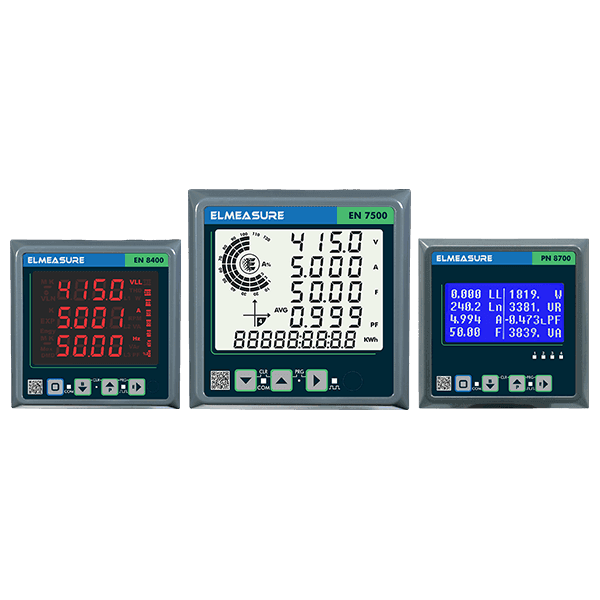
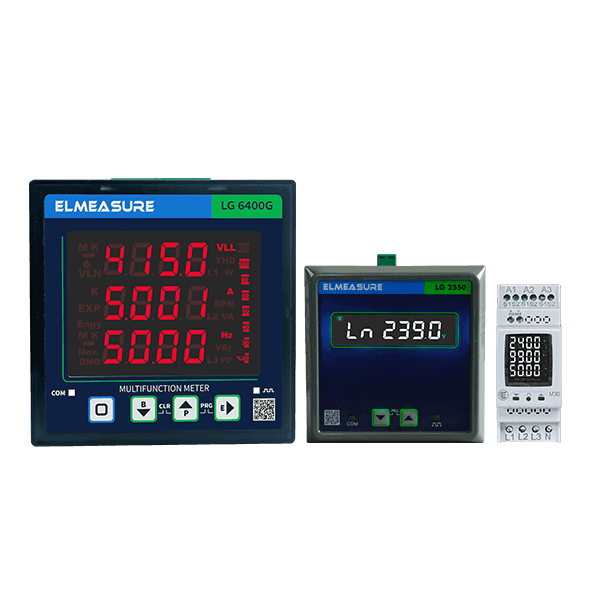
Elmeasure designs and manufactures energy meters and monitoring solutions used in submetering installations across residential, commercial, and industrial projects. Our product range includes:
- IoT energy meters: Single-phase and three-phase meters with Wi-Fi, RS-485 / Modbus, and cellular connectivity for remote reading and cloud integration.
- Prepaid and postpaid metering: Support for both billing models, suitable for rental properties, commercial complexes, and EV charging applications.
- Multi-function meters and panel meters: Class 1.0 accuracy, multi-parameter measurement (kWh, kVAh, power factor, harmonics) for industrial submetering and load analysis.
- Energy management software: Dashboards, alerts, and reporting tools that turn submeter data into actionable insight.
Combining submetering with IoT for smart optimisation
Submetering measures usage, while IoT adds connectivity and analytics. Together, they turn a simple billing tool into a full energy management system.
- Real-time monitoring: Consumption is visible per unit, per system, per minute, making anomalies and spikes immediately apparent.
- Automated billing: Meter readings flow directly to billing software, eliminating manual reading errors and admin overhead.
- Integration with BMS / EMS: Real-time submeter data can trigger automated responses such as load shedding, HVAC schedule changes, or lighting control.
- Predictive maintenance: Unusual energy use from a machine or HVAC unit can signal a problem early, before it leads to a breakdown.
- Sustainability reporting: Continuous data feeds make it practical to track and report against carbon-reduction or efficiency targets at the granularity needed for credible disclosure.
Challenges and considerations
Submetering offers great value, but there are some trade-offs. Here are the most common challenges to consider:
- Upfront installation cost: Adding submeters to an existing building often means extra electrical or plumbing work, especially if wiring or pipes aren’t already separated. It’s much cheaper to install submeters in new buildings.
- Maintenance and data management: IoT submeters require firmware updates, network maintenance, and a strategy for handling the large volumes of data they generate.
- Regulatory compliance: As covered above, rules vary by jurisdiction and utility — get this right before specifying the system.
- Stakeholder communication: Tenants and occupants should know how billing works, what is measured, and how their data will be used. Being clear from the start helps avoid disputes later.
Best practices for implementing submetering effectively
Based on common patterns we see in successful submetering projects:
- Map the metering points before procurement. Walk the site, mark every unit and load that needs measurement, and confirm physical access for installation and maintenance.
- Choose the right meter class for the job. Use Class 1.0 (or stricter) electrical meters where billing is involved. Use lower-accuracy meters only for trend monitoring where billing isn’t the goal.
- Plan your communication setup early. Use RS-485 or Modbus for wired systems, and LoRaWAN or cellular for sites that are spread out. Your choice will affect long-term costs.
- Integrate with management software from day one. Raw meter data is not useful on its own. Plan the EMS or BMS integration as part of the project, not as an afterthought.
- Communicate with stakeholders. Tenants, departments, and occupants should know how the system works, what it measures, and how billing or reporting is calculated.
- Audit regularly. Periodic calibration checks, anomaly reviews, and reconciliation against the master meter keep the system trustworthy over its full lifecycle.
Return on investment: cost savings and sustainability payoff
Submetering usually pays for itself in one to three years for commercial and industrial sites, and in two to five years for residential upgrades. The exact ROI depends on utility costs, system size, and how much you use the data. In addition, many utilities and local governments offer incentives, grants, or low-interest financing options that can reduce upfront costs and improve return on investment. Check for available rebates or support programs in your area when budgeting your submetering project. The main ways you save are:
- Direct billing recovery: Landlords and operators recover utility costs that were previously absorbed under flat-rate billing.
- Consumption reduction: Submetered tenants and departments typically reduce consumption by 5–15% once they can see and act on their own usage.
- Operational efficiency: Using submeter data to guide upgrades and improvements leads to even more savings, beyond what you get from behavior changes alone.
- Demand and tariff management: For industrial users, visibility into load profiles enables peak-shaving and tariff optimisation.
- Compliance and certification value: Submetering data supports LEED, IGBC, GRIHA, and similar certifications, which can lift property valuations and rental yields.
Future trends: smart buildings, AI, and the role of submetering
Submetering is increasingly the foundation layer of a broader smart-building stack. The directions worth tracking:
- AI-driven energy analytics: Machine learning models applied to submeter data can predict consumption, detect faults, and recommend optimisation actions automatically.
- Distributed energy integration: As rooftop solar, battery storage, and EV charging become common, submetering is essential for tracking generation, self-consumption, and grid export.
- Real-time tariffs and demand response: Time-of-use and dynamic tariffs make granular, real-time consumption data essential for cost optimisation.
- Carbon accounting: Scope 1 and Scope 2 emissions reporting increasingly demands the kind of granular, attributable energy data that only submetering provides.
Conclusion: When submetering makes sense
Submetering is the best choice when you need to fairly divide, accurately measure, or actively manage utility use. In multi-tenant homes and businesses, it stops billing disputes and protects landlords from covering tenant costs. In factories, it turns energy from a fixed cost into something you can control. For any building with sustainability or compliance goals, submetering gives you the data you need.
Today, IoT-enabled submeters are affordable, accurate, and simple to add to your system. The question is no longer if you should use submetering, but which scope, meter class, and platform are best for your project.
Share this blog
Featured products













Sign up to our newsletter.
Receive new product announcements, industry-relevant news and advance notice on upcoming deals.

Stay connected with us:



Products
Contact Us
- No. 47-P, KIADB Hardware Park,
Huvinayakanahalli Jala Hobli,
Yelahanka Taluk,
Bengaluru - 562149 - 1800-120-5048
- info@elmeasure.com
© 2026 Elmeasure

Loading...